Research · Evaluation · Strategy

Evidence for decisions. Learning for change.

Khanyisa Research & Consulting is a UK-registered research and advisory firm with offices in Bulawayo and Midrand. We help governments, development partners, NGOs and mission-led businesses understand complex problems, measure what is changing, and act on what they learn.

  • 15+years of development research and advisory experience
  • 50+major assignments led or supported by our principal consultant
  • 14+countries represented across our team's experience
  • 3regional offices: Cornwall (UK), Bulawayo and Midrand

Who we are

A small senior team, close to the work

Khanyisa means "to illuminate". We bring together development research, programme evaluation, strategic planning and applied psychology to produce evidence that is credible, usable and grounded in the realities of the people and systems it describes.

We work through a core interdisciplinary team and a selected network of local and international consultants, researchers, field practitioners and trainers. Senior consultants stay involved from design to final report. Teams are sized to the assignment, not to a standard package.

Our clients include national and regional governments, bilateral and multilateral development partners, international and local NGOs, universities and research institutions, foundations, faith-based organisations and private companies working mainly in Southern and Eastern Africa.

  • Development impact and evidence that improves real decisions
  • Equality, dignity and meaningful social inclusion
  • Resilient communities, livelihoods and institutions
  • Learning, innovation and practical adaptation
  • Strong partnerships, teamwork and professionalism

Mission

To support the realisation of Africa's development aspirations by providing effective research, consultancy and training services to clients and partners.

Vision

An Africa with stronger and more inclusive economies, resilient and profitable livelihoods, and happier, healthier citizens in our lifetime.

What clients can expect

  • Senior-led delivery from design and stakeholder engagement through to validation and final reporting
  • Methods chosen for the decision at hand
  • Quantitative patterns read alongside lived experience and institutional context
  • Recommendations that name priorities, trade-offs, risks and next steps

Khanyisa Research & Consulting Ltd
Registered in England and Wales · Company no. 17479124
Incorporated 21 August 2023

What we do

Four service areas, each built around a decision

Assignments can stand alone or connect, moving from diagnosis to strategy, measurement, learning and adaptation. Each starts with the question the client needs answered.

Research for programme design and policy

Good programmes start with a clear picture of the problem. We carry out studies that show how a system works, who it affects and where change is possible. We combine existing data with fieldwork so that our findings reflect conditions on the ground.
Project design, independent monitoring and evaluation

We help organisations design projects that can be measured, then test whether they deliver. Our teams run the full survey process, from sampling and digital tools to enumerator training and field quality checks. We report what the evidence shows, including what has not worked. We also facilitate learning sessions so that partners can act on findings while there is still time to adjust.

Capacity strengthening

Lasting results depend on people and institutions that can carry the work forward. We train programme staff, partners and field teams in monitoring and evaluation, research methods, data collection and analysis, and gender and social inclusion. We then mentor staff as they apply these skills to their own projects, and our team includes an accredited executive coach who works with managers and leaders. Every course is built around the participants' real work, so new skills go straight into daily practice.

Strategic planning and advisory

We help boards and management teams decide where their organisation is going and how it will get there. Through organisational reviews, stakeholder consultation and facilitated planning, we produce strategies that are costed, measurable and realistic. We also advise development partners, NGOs and private companies on programme strategy, inclusion and the use of evidence.

Sectors

AgricultureLivelihoodsFood and nutrition securityClimate change and green growthGender, equality and social inclusionNatural-resource governanceMarkets and value chainsSocial protectionGovernanceHealthEducationOrganisational development

How we work

From the question to the action

Every assignment follows the same discipline, scaled to its size. Methods are proportionate to the decision, and findings are traced back to the evidence that supports them.

  1. STEP 1

    Clarify the decision

    We start with the purpose, the intended users, the evidence already available, operational constraints and the choices the work must inform.

  2. STEP 2

    Design for credibility and use

    Questions, methods, sampling and measures fit the decision. Instruments are reviewed, tested and aligned with the theory of change.

  3. STEP 3

    Collect evidence responsibly

    Field teams are trained and supervised. Consent, confidentiality, safeguarding and secure data handling are core requirements.

  4. STEP 4

    Triangulate and make sense

    Survey results are tested against qualitative accounts, programme records and context. Differences are examined, not hidden.

  5. STEP 5

    Return evidence to action

    Findings are validated with stakeholders and turned into priorities, adaptations, indicators, responsibilities and realistic choices.

Quality assurance

  • Senior review at inception, instrument design, analysis and reporting.
  • Documented data checks, transparent assumptions and a clear trail from source evidence to finding and recommendation.
  • Triangulation across methods and respondent groups, with limitations reported plainly.
  • Validation with clients and stakeholders, without letting consensus replace evidence.
  • Mixed-methods and participatory research, digital data collection, enumerator training and field quality control.
  • Gender, age, disability and other dimensions of inclusion built into design, analysis and recommendations.

Evidence has value when it improves a real decision, strengthens delivery, or helps an organisation learn responsibly from experience.

Our work

Selected assignments

These examples were delivered by Khanyisa principals and associates in their professional capacity. They show the range of questions, methods and sectors our team brings to new work.

Adaptation Fund / Environmental Management Agency (EMA)Zimbabwe · 2026
Lead External Consultant · Baseline evaluation

Enhancing resilience of communities and ecosystems in arid and semi-arid areas of Zimbabwe

What we did
Led a mixed-methods baseline across Bulilima, Chimanimani, Chivi, Gutu and Mberengwa districts, setting indicator values, profiling vulnerability, testing programme assumptions and identifying district-level delivery risks.
Evidence base
467 household interviews, 18 focus group discussions and 57 key informant interviews across 11 wards, with document review and field observation.
Result
A decision-ready baseline, a revised theory of change, indicator guidance, and recommendations on livelihoods, livestock, water, ecosystems, local institutions, early warning, inclusion and monitoring.
DanChurchAid / SIDAZimbabwe · 2025
Terminal Performance Evaluation

Utariri Integrated & Adaptive Biodiversity, Climate and Livelihoods Programme

Assignment
Terminal Performance Evaluation of the Utariri programme in the Zambezi Valley, examining integrated biodiversity, climate and livelihoods work.
Focus
Programme performance and learning across biodiversity conservation, climate resilience and community livelihoods.
UNDP / Global Environment Facility (GEF-6)Zimbabwe · 2025
Terminal Evaluation

Strengthening biodiversity and ecosystem management in the Mid to Lower Zambezi region

Assignment
Terminal Evaluation of the GEF-6 project supporting biodiversity and ecosystem management in Zimbabwe's Mid to Lower Zambezi region.
Focus
Biodiversity conservation, ecosystem management and evidence to inform future programming.
CONTACT Family Counselling CentreBulawayo, Zimbabwe · March 2026
Strategic plan 2026–2031

Five-year strategic plan for a mental-health and family-support organisation

What we did
Facilitated an organisation-wide strategy process combining organisational review, stakeholder consultation and strategic diagnosis, while protecting confidential client and institutional information.
Evidence base
Board and management survey, staff and volunteer survey, client interviews, document review, SWOT and problem analysis, and facilitated sensemaking.
Result
A strategic plan with theory of change, strategic pillars, results framework, phased roadmap, risk and learning framework, annual targets and costing tools.
Food and Agriculture Organization (FAO)Zimbabwe · 2025
Policy research

Impact of the Russia–Ukraine conflict on Zimbabwe's agri-food system

What we did
Assessed how disruption in global grain, fertiliser and fuel markets moved through Zimbabwe's agri-food system, and how well policy and programme responses worked, including the Zimbabwe Emergency Food Production Project.
Evidence base
National and global datasets, policy and programme documents, literature, media sources, and interviews with government, development partners, financial institutions and private-sector actors.
Result
Options for diversified supply chains, local input and processing capacity, irrigation, better-timed procurement, crisis coordination, data systems and inclusive finance.
Bread for the World (Germany)Zimbabwe · 2024–Current
Institutional capacity development

Planning, Monitoring & Evaluation (PMEL) across partner organisations

Assignment
Institutional capacity development in Planning, Monitoring & Evaluation (PMEL) for Bread for the World partner organisations in Zimbabwe.
Focus
Strengthening partner organisations' capacity to plan, monitor, evaluate and learn from their work.
Tropical Health and Education Trust (THET) / NHS EnglandUnited Kingdom · Published 2023
National evidence and advocacy study

Voices of the Experts in Our Midst: diaspora health workers in the UK

What we did
Dr Canford Chiroro co-authored a national study on the contribution and experience of diaspora health workers in the UK and in global health partnerships.
Evidence base
An online survey with 685 responses, followed by focus groups and interviews with 25 health workers; thematic analysis with case studies and policy review.
Result
An evidence and advocacy report on skills, cultural competence, barriers, wellbeing and retention, with recommendations for recognition, funding and institutional support.

Who our team has worked with

Across our core and associate team, clients and partners have included the organisations listed. This reflects individual professional experience as well as work contracted through Khanyisa.

  • FAO
  • UNDP
  • Global Environment Facility (GEF)
  • DanChurchAid
  • SIDA
  • Bread for the World
  • UNICEF
  • UN Women
  • WFP
  • African Development Bank
  • Swiss Agency for Development and Cooperation
  • Environmental Management Agency
  • Welthungerhilfe
  • USAID-supported programmes
  • Tetra Tech
  • NIRAS
  • Hivos
  • CARE
  • Plan International
  • National and local civil society

Our people

Leadership team

Assignments are led by our senior team and supported by statisticians, qualitative researchers, gender and inclusion specialists, sector experts, field coordinators and data managers. Full CVs are available for specific submissions.

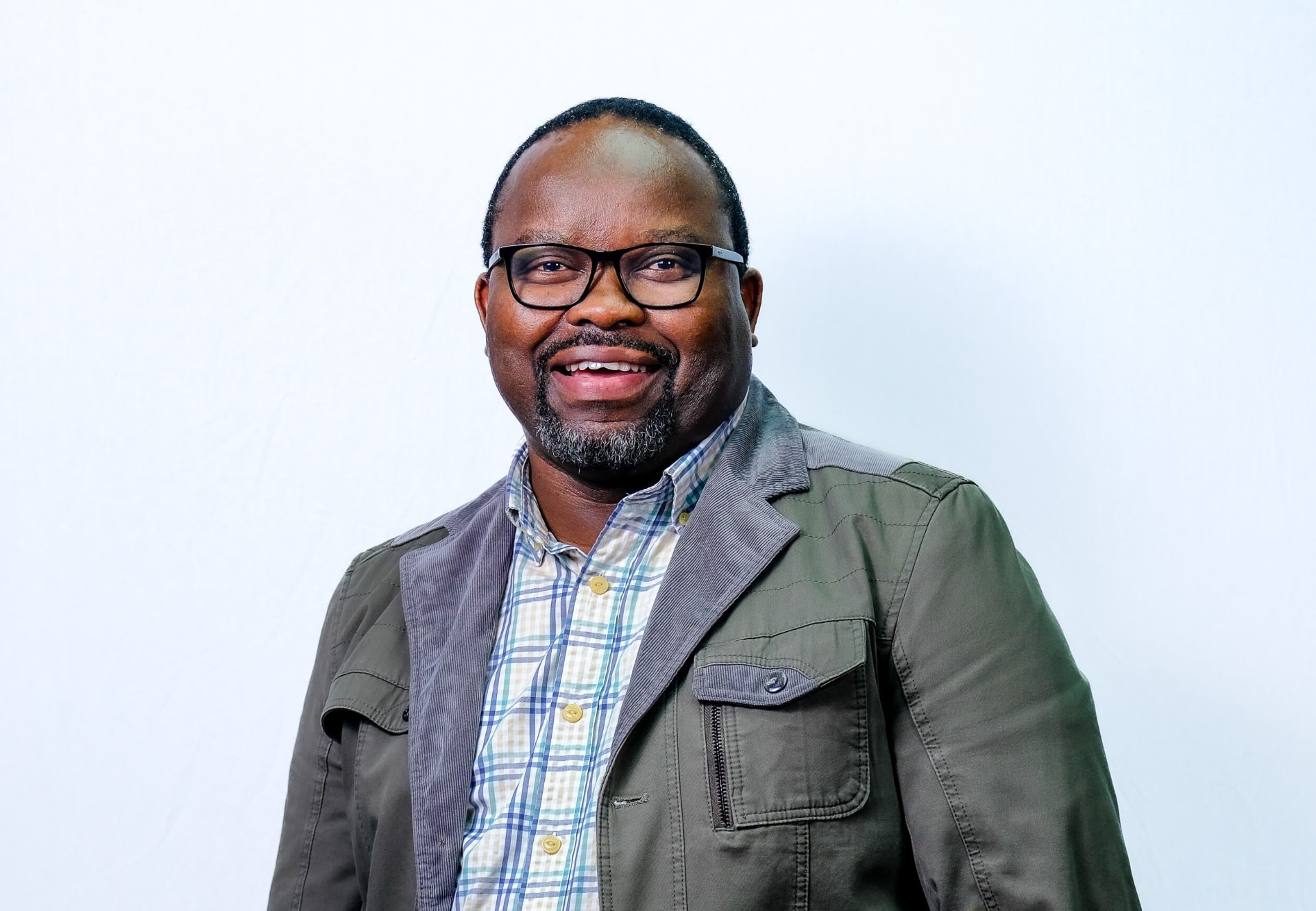
Portrait of Dr Canford Chiroro

Dr Canford Chiroro

Principal Consultant

Development researcher, evaluator and strategic adviser with more than 15 years' experience in climate resilience, agriculture and food systems, natural-resource governance, social protection and institutional learning.

Full profile

Has led or supported more than 50 major assignments for UN agencies, bilateral and multilateral partners, international NGOs, public institutions and civil society.

Qualifications: PhD in Climate Change, Agriculture and Society (University of Dundee); MSc in Development and Project Planning; BSc in Crop Science.

Technical strengths: study design, sampling, household surveys, qualitative enquiry, enumerator training, field quality assurance, quantitative and thematic analysis, theory of change, policy and management reporting.

Download CV / Capability Statement
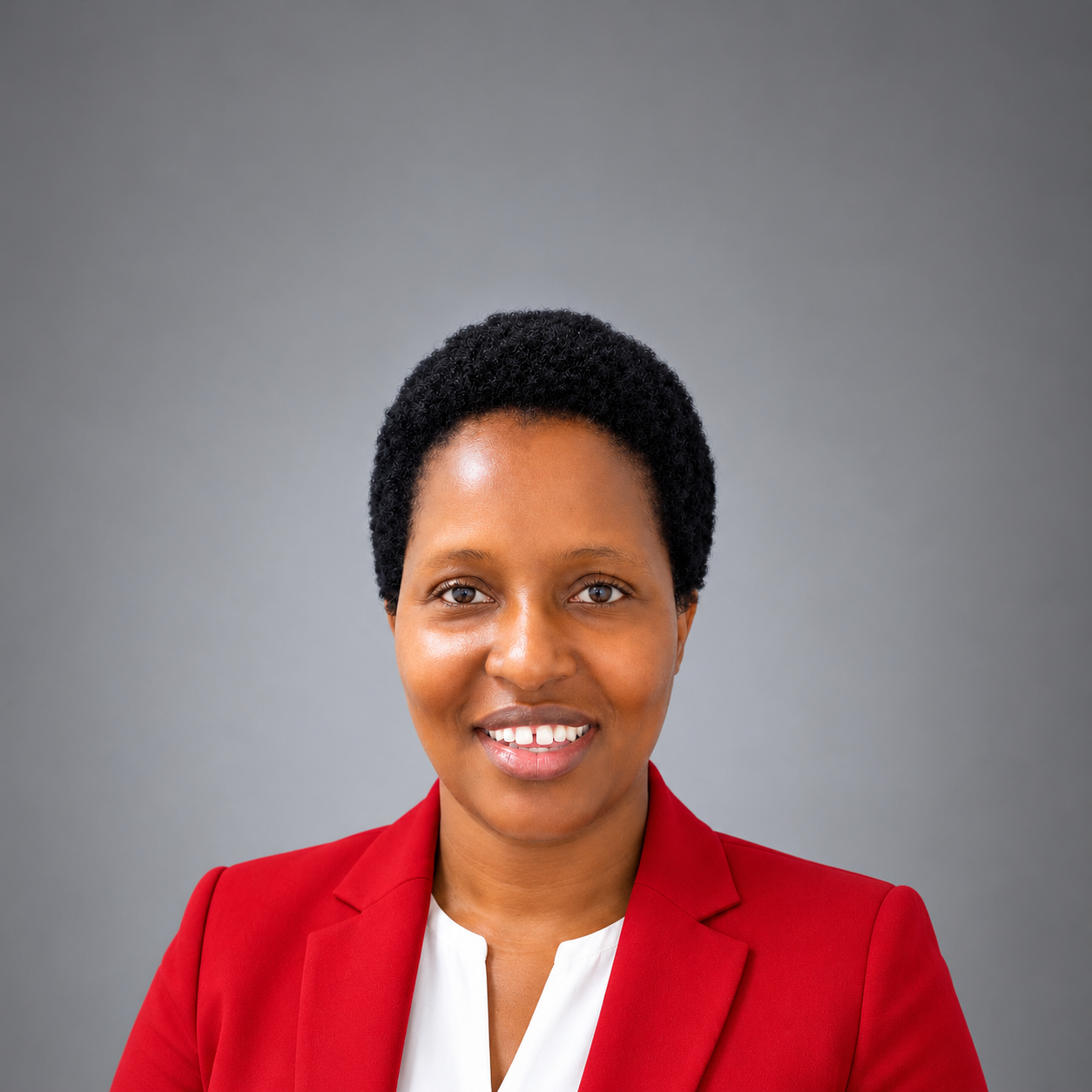
Portrait of Prof. Sunungurai D. Chingarande

Prof. Sunungurai D. Chingarande

Gender, Equality and Social Inclusion Lead

Sociologist and gender specialist with more than 20 years in longitudinal and action research, evaluations, gender analysis and social-inclusion advice, across more than 15 African countries.

Full profile

Has led or supported work for the AfDB, UN Women, WFP, UNFPA, FAO, UNDP, UNESCO, the EU, GIZ and SDC, including Zimbabwe's national gender scoping study and the WFP Zimbabwe Gender Strategy.

Qualifications: PhD in Sociology, MSc in Sociology and Social Anthropology, BSc (Hons) in Sociology, all University of Zimbabwe.

Technical strengths: GESI analysis, institutional gender audits, gender policies and action plans, gender-responsive budgeting, mixed methods, facilitation and training.

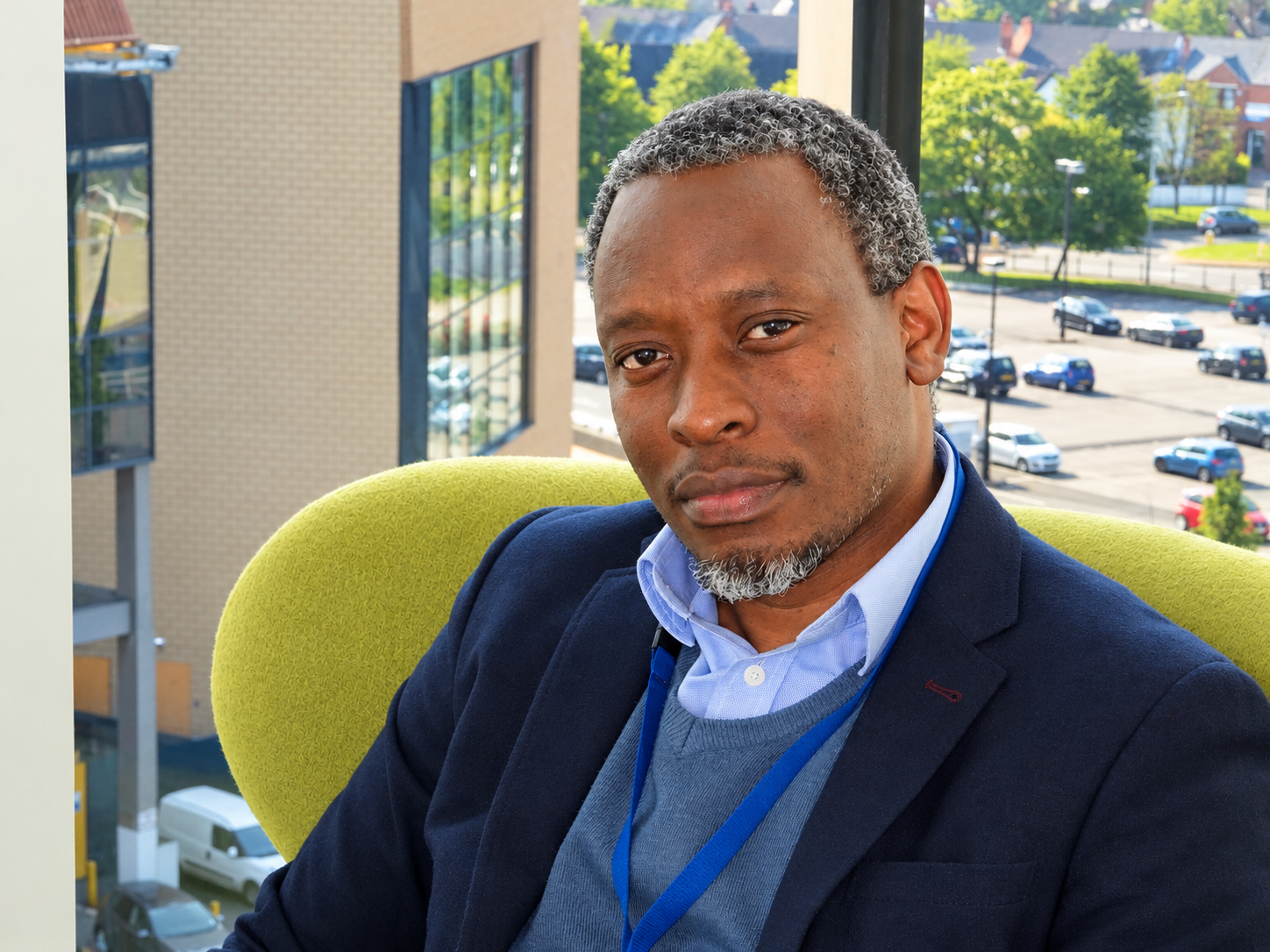
Portrait of Prof. Philani Moyo

Prof. Philani Moyo

Livelihoods and Policy Lead

Professor of Development Sociology and Director of the Fort Hare Institute for Social and Economic Research, with more than 15 years in climate adaptation, migration, agrarian change and food systems.

Full profile

Research and consultancy for IOM, Hivos Southern Africa, Oxfam South Africa, the Social Science Research Council, government departments and local authorities, across nine countries in Southern and East Africa.

Qualifications: DPhil in Politics and International Studies and MA in Human and Sustainable Development (University of Leeds); MSocSc (University of Fort Hare); BA Hons (University of Zimbabwe).

Technical strengths: policy research, mixed-methods design, baseline and evaluation research, publication and dissemination.

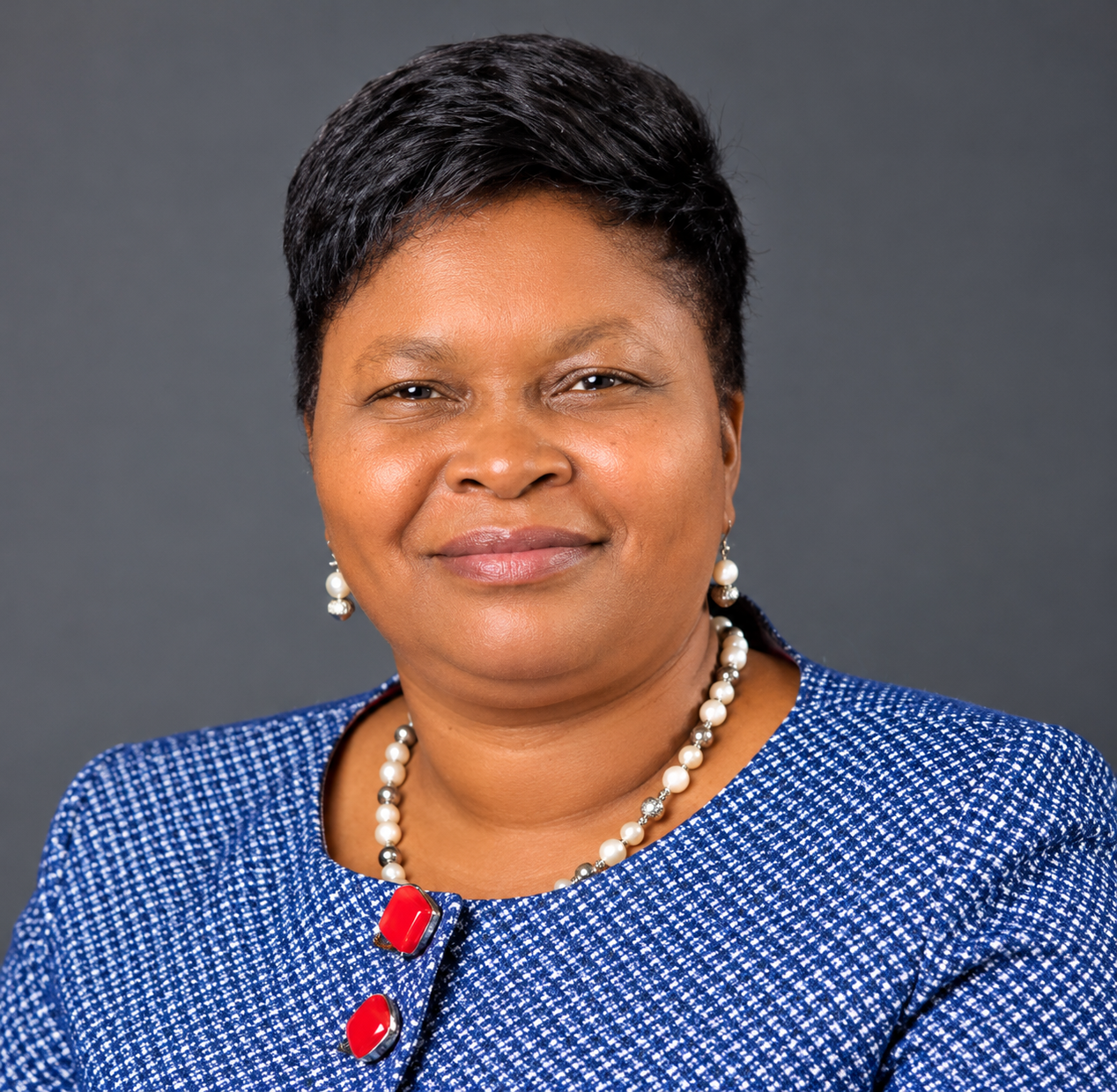
Portrait of Dr Karen Mkhithika

Dr Karen Mkhithika

Qualitative Research Specialist

Organisational psychologist leading our qualitative work on psychosocial wellbeing, organisational behaviour and lived experience. Independent researcher and adviser since 2014.

Full profile

Doctoral research at the University of Nottingham on work-related stress and wellbeing in adult social care during and after COVID-19. Has held senior investigative and coaching posts in the UK Civil Service.

Qualifications: PhD in Applied Psychology (Occupational Psychology) and Management (University of Nottingham); MBA; MSc in International Business; BSc (Hons) Psychology with HRM.

Methods: semi-structured interviews, Reflexive Thematic Analysis, cross-case comparison, scoping reviews, NVivo, SPSS.

Working with us

Why clients choose Khanyisa

  • Senior attention throughout, with clear responsibility for technical quality and deadlines.
  • Breadth across climate, livelihoods, food systems, institutions and psychosocial wellbeing, without losing methodological discipline.
  • Experience working with communities, government, development partners, civil society and organisational leadership.
  • Comfort with complex and sensitive questions, including uncertainty, inequality and contested stakeholder views.
  • Outputs designed for use: concise choices for leaders, practical tools for delivery teams and credible evidence for funders.

Engagement models

We can join an assignment in the role that suits it. Teams are assembled around the work and can combine in-country fieldwork, remote technical support and collaboration with local institutions.

Lead consultantLearning partnerEvaluation partnerSpecialist research teamQuality-assurance resource

Where we have worked

Loading map…

    Offices

    Registered in the UK, working from Southern Africa

    Our UK office handles contracting and client relations. Our offices in Bulawayo and Midrand give us a permanent base close to the communities, institutions and field teams our work depends on.

    Registered office

    Helston, United Kingdom

    8 Tregarrick View, Helston
    Cornwall TR13 8GU

    Zimbabwe office

    Bulawayo, Zimbabwe

    Fieldwork coordination and client support for Zimbabwe and the wider region.

    South Africa office

    Midrand, South Africa

    Regional partnerships and assignments in South Africa and neighbouring countries.

    Contact

    Start with the decision that matters.

    Tell us what you need to decide or understand. We will help define the question, build the evidence and turn the findings into a realistic path forward. Download Dr Canford Chiroro's CV below; references and tailored capability statements are available on request.

    Emailkhanyisarc@gmail.com
    Phone (UK)+44 (0) 7412 916411
    Phone (Zimbabwe)+263 (0) 778 590 587
    PrincipalDr Canford Chiroro · cchiroro@gmail.com